Understanding Appliance Maintenance
Appliance maintenance is essential for ensuring that your household devices function efficiently and last longer. Home appliances are not just conveniences; they're integral parts of modern living, helping us manage our daily tasks with ease. From refrigerators that keep our food fresh to washing machines that save us time and effort, understanding how to maintain these appliances can prevent costly repairs and extend their lifespan. In this article, we will explore the ins and outs of appliance maintenance, focusing on practical tips, common challenges, and future trends to help you make informed decisions.
What is Appliance Maintenance?
Appliance maintenance refers to the various activities and practices aimed at ensuring that household appliances operate effectively and efficiently. This can include regular cleaning, troubleshooting, part replacement, and professional servicing. Proper maintenance can dramatically reduce the risk of breakdowns and extend the lifespan of your appliances, ensuring they serve you well for years to come.
Why Appliance Maintenance Matters for Homeowners
For homeowners, appliance maintenance is crucial for several reasons:
- Cost Savings: Regular maintenance can prevent expensive repairs or early replacements by addressing small issues before they escalate.
- Energy Efficiency: Well-maintained appliances consume less energy, reducing utility bills.
- Safety: Regular checks can prevent hazards such as leaks or electrical failures, providing peace of mind.
- Convenience: Ensures that appliances operate when needed, enhancing daily routines.
Common Appliances Requiring Regular Maintenance
Several appliances require specific maintenance practices to keep them functioning properly. The most common include:
- Refrigerators: Regular cleaning of coils and checking seals.
- Washing Machines: Cleaning filters and checking hoses for leaks.
- Ovens and Stoves: Regular cleaning and checking igniters and burners.
- Dishwashers: Cleaning filters and checking spray arms for blockages.
Essential Maintenance Tips for Different Appliances
How to Maintain Your Refrigerator Effectively
Keeping your refrigerator in optimal shape is vital for food safety and energy efficiency. Start by regularly cleaning the condenser coils, which can accumulate dust and dirt, hindering performance. Ensure door seals are tight—if they’re cracked or damaged, cold air can escape, wasting energy. Defrost your fridge regularly if it’s not frost-free, and check the temperature settings; the ideal range is between 35°F and 38°F (1.6°C - 3.3°C).
Tips for Keeping Your Washing Machine in Top Condition
Your washing machine makes laundry easy, but neglect can lead to mold or unpleasant odors. To maintain it, regularly check and clean the lint filter and the detergent dispensers. Consider running a hot wash cycle with vinegar every few months to prevent soap scum buildup. Ensure hoses are not kinked and replace them every five years to prevent leaks.
Best Practices for Oven and Stove Maintenance
Ovens and stoves require specific attention to ensure they operate safely. Always clean up spills promptly to prevent smoke and odors. For gas stoves, ensure burners ignite properly; if not, the igniters may need cleaning. Regularly inspect and replace oven gaskets if they show signs of wear. Using an oven thermometer can also help maintain accurate cooking temperatures.
DIY Vs. Professional Appliance Maintenance
When to Perform DIY Maintenance Yourself
Many maintenance tasks can be handled by homeowners, especially those that are straightforward. Basic cleaning, replacing filters, and checking seals are usually simple enough for anyone to do. Consult your appliance’s manual for specific DIY tasks and schedules to follow. Always ensure safety first; when in doubt, call in a professional.
Signs You Should Hire a Professional Technician
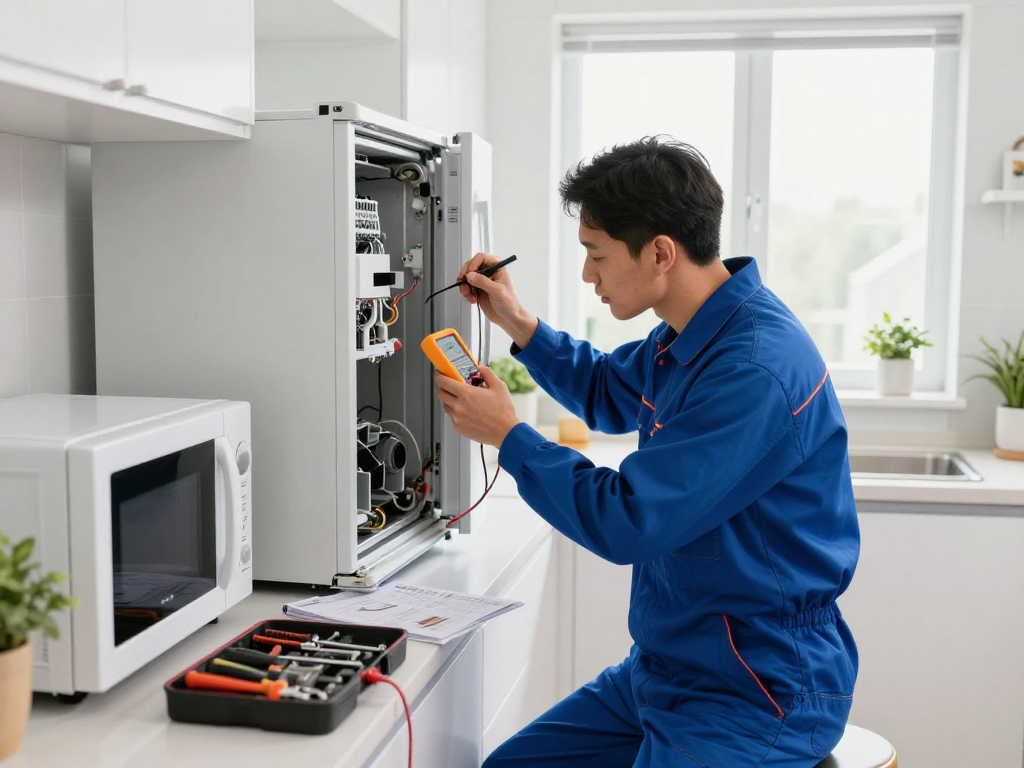
If you encounter persistent issues despite regular maintenance or if your appliance shows signs of serious malfunction (like strange noises, leaks, or error codes), it’s time to contact a professional. Professionals have the expertise and tools to diagnose and repair more intricate problems safely.
Benefits of Regular Professional Maintenance Services
Investing in regular professional maintenance can provide significant benefits. Technicians can spot potential issues before they become problematic, potentially saving homeowners considerable money in the long run. Furthermore, professional services often provide warranties on their work, giving homeowners peace of mind.
Appliance Maintenance Common Challenges
Common Misconceptions About Home Appliance Maintenance
One common misconception is that appliance maintenance is only needed when something goes wrong. In reality, proactive maintenance is crucial for ensuring appliances operate efficiently and effectively. Another misconception is that maintenance is too complicated for the average homeowner. However, many simple tasks can be performed with minimal effort and time.
How to Overcome Appliance Maintenance Obstacles
Time and knowledge are often barriers to consistent maintenance. Creating a simple schedule can help. Set reminders for cleaning filters, checking seals, or performing seasonal deep cleans. Additionally, seeking out resources like appliance manuals or online tutorials can empower homeowners to handle maintenance tasks confidently.
Understanding Costs and Budgeting for Maintenance
Budgeting for appliance maintenance is vital. Consider allocating funds for repairs and regular check-ups. While some maintenance can be done DIY-style, setting aside a portion of your budget for professional services can help alleviate unexpected repair costs. Research costs in your area and factor them into your annual household budget.
The Future of Appliance Maintenance in 2026
Emerging Trends in Appliance Technology
Technology is evolving rapidly, and appliances are becoming smarter. In 2026, we can expect appliances to integrate more with home automation systems, making monitoring and maintenance easier. Appliances will likely come equipped with sensors that alert homeowners to issues before they escalate.
How Smart Appliances Are Changing Maintenance Needs
Smart appliances can self-diagnose and send alerts when maintenance is due or if there’s an issue. Remote access allows homeowners to monitor appliances from anywhere, making maintenance more streamlined. However, as technology becomes more complex, understanding how to maintain these systems will also be necessary.
Future Predictions for Home Appliance Care
By 2026, the concept of preventative maintenance will evolve, with many manufacturers offering subscription services for regular maintenance checks. Homeowners will increasingly rely on apps to schedule servicing and monitor appliance health, making proactive care more accessible than ever.
What Should You Do If Your Appliance Breaks Down?
In the unfortunate event of an appliance breakdown, first, try to identify if the issue can be fixed with simple troubleshooting steps, such as resetting the appliance or checking simple settings. If these steps don’t resolve the issue, it’s wise to consult a professional. Always refer to the user manual for guidance on troubleshooting before proceeding with repairs.
Can Regular Maintenance Extend Appliance Lifespan?
Absolutely. Regular maintenance can significantly extend the lifespan of appliances. Simple tasks like cleaning, checking for wear and tear, and scheduling professional inspections can keep your appliances running optimally and delay the need for costly replacements.
How Often Should Appliances Be Serviced?
The frequency of servicing depends on the type of appliance and usage patterns. For more information, oven repair Newmarket offers valuable insights. Typically, major appliances should be serviced at least once a year. However, if you use an appliance heavily, consider more frequent checks. Always refer to the manufacturer's guidelines for specific recommendations.