Understanding M Roof and Its Benefits
When considering a new roofing solution for your home, it's essential to explore all available options. One such option that has gained significant popularity in recent years is metal roofing, particularly the M Roof. This article will delve into the various advantages of choosing M Roof, the installation process, maintenance tips, and how it stacks up against traditional roofing materials. By the end, you’ll have a comprehensive understanding of whether M Roof is the right choice for your next roofing project.
What is M Roof?
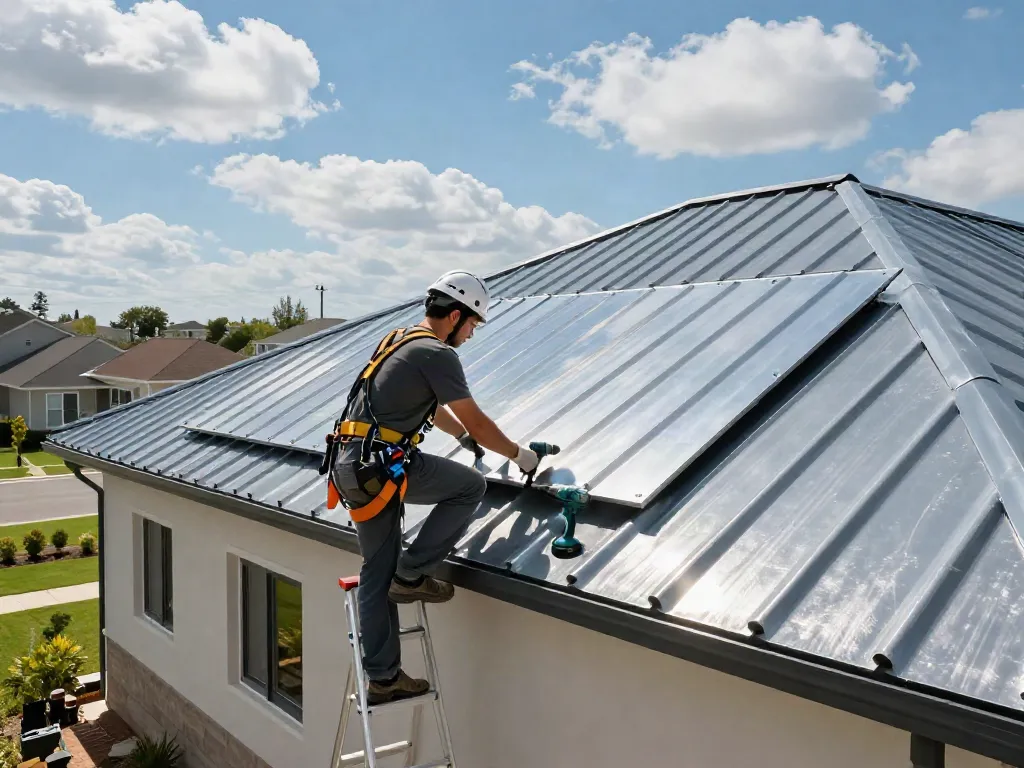
M Roof refers to a specific type of metal roofing which is characterized by its durability and aesthetic appeal. Typically made from galvanized steel or aluminum, M Roof systems are designed to withstand extreme weather conditions while providing an energy-efficient solution for homeowners. Unlike traditional roofing materials such as asphalt shingles or wood shakes, metal roofs can last significantly longer—often exceeding 50 years with proper maintenance.
The Advantages of Metal Roofing
- Longevity: Metal roofs have a lifespan of 40 to 70 years, which far exceeds that of conventional roofing options like asphalt shingles, which generally last 15 to 30 years.
- Durability: They are resistant to cracking, shrinking, and erosion, meaning they can withstand harsh weather conditions, from heavy snow to torrential rain.
- Energy Efficiency: Metal roofing reflects solar radiant heat, which helps reduce cooling costs in the summer months.
- Low Maintenance: M Roof systems require much less upkeep compared to other roofing materials, making them a convenient choice for homeowners.
- Environmentally Friendly: Many metal roofs are made from recycled materials and are recyclable at the end of their lifespan, thus reducing waste.
Is M Roof Right for Your Climate?
Choosing the right roofing material depends significantly on your local climate. In areas prone to extreme weather—such as high winds, heavy snowfall, or intense heat—metal roofs offer unparalleled protection. They can handle the thermal expansion that occurs with temperature changes, ensuring they remain firmly in place during storms. Conversely, in milder climates, a traditional roof may suffice, but the long-term benefits of a metal roof often outweigh the initial cost considerations.
Installation Process for M Roof
The installation of an M Roof can be a complex process that requires precision and skill. Understanding the steps involved can help homeowners feel more informed when discussing their options with contractors.
Step-by-Step Guide to Installing M Roof
- Assessment: Evaluate the existing roof structure to determine if repairs or reinforcements are needed.
- Material Selection: Choose the appropriate metal type and gauge according to your aesthetic and functional needs.
- Preparation: Remove any existing roofing materials and inspect for potential underlying issues.
- Installation: Begin with laying down the underlayment, followed by the metal panels, ensuring proper alignment and securing methods are employed.
- Finishing Touches: Install flashing and trim to ensure proper sealing against water ingress and provide a polished appearance.
Common Challenges During Installation
Despite its advantages, the installation of M Roof can present challenges. Homeowners should be aware of potential issues such as:
- Weather Delays: Rain or snow can halt installation, causing delays.
- Material Handling: Metal panels can be heavy and cumbersome, demanding careful handling to prevent damage.
- Skill Requirement: Proper installation requires experienced contractors familiar with specific metal roofing systems to avoid costly mistakes.
Hiring the Right Contractor: Key Considerations
Selecting a qualified contractor is crucial to ensure your M Roof is installed correctly. Consider checking for the following:
- Experience: Look for contractors specifically experienced in metal roofs.
- References: Ask for previous customer references to gauge satisfaction and quality of work.
- Insurance: Ensure they have proper insurance and licensing to protect you from liability.
Maintenance Tips for M Roof
While metal roofs are known for their durability, regular maintenance can help extend their lifespan even further. Here are some useful tips for maintaining your M Roof.
Regular Maintenance Best Practices
- Periodic Inspections: Conduct visual inspections at least twice a year to look for loose panels or rust.
- Debris Removal: Keep the roof free of debris such as leaves or branches that can trap moisture and lead to corrosion.
- Check Seals: Inspect seals around vents and chimneys to ensure they remain intact and watertight.
How to Spot Potential Issues Early
Identifying issues early can prevent larger problems down the road. Look for signs of wear such as:
- Rust spots that indicate corrosion.
- Loose or missing fasteners on panels.
- Water stains on interior ceilings, which may indicate leaks.
Long-Term Care for Metal Roofing
For long-term performance, consider applying a protective coating every few years. This not only enhances the look of your roof but also provides an additional layer of protection against UV rays and harsh weather conditions.
Comparing M Roof to Traditional Roofing Options
Understanding how M Roof stacks up against traditional roofing options is essential for making the right choice for your home.
Cost Analysis: M Roof vs. Shingles
While M Roof systems have a higher upfront cost compared to asphalt shingles, their longevity and lower maintenance requirements often result in long-term savings. Consider the following:
- M Roofs typically range from $300 to $700 per square, whereas asphalt shingles can range from $90 to $100 per square.
- However, when you factor in replacement costs every 15 to 30 years for shingles, the cost-efficiency of metal roofs becomes apparent.
Durability and Longevity: A Comparison
M Roofs are unmatched in durability. They can withstand extreme weather, while traditional materials like asphalt shingles may suffer from wear and tear, leading to potential leaks and costly repairs. With proper care, an M Roof can last over 50 years, whereas shingles require replacement much sooner.
Environmental Impact and Sustainability
One of the key benefits of M Roof is its sustainable nature. Metal roofing can be made from up to 90% recycled materials, whereas asphalt shingles contribute to landfill waste. Moreover, at the end of their lifecycle, metal roofs are fully recyclable, making them an environmentally friendly choice.
Future Trends in Roofing: What to Expect by 2026
The roofing industry continues to evolve with advancements in technology and design. Understanding these trends can help you make informed decisions for your roofing needs.
Innovations in Metal Roofing
By 2026, we anticipate further innovations in metal roofing materials and installation techniques. Expect to see:
- More energy-efficient products with improved insulation properties.
- Enhanced aesthetics with customizable colors and styles to fit various home designs.
Consumer Preferences Shaping the Roofing Industry
Consumers are increasingly prioritizing sustainable options, driving demand for metal roofing initiatives. As awareness of climate change grows, more homeowners will consider the long-term benefits of eco-friendly roofing solutions.
Predictions for M Roof’s Market Position
Given the growing awareness of sustainability and the long-term cost benefits, we predict that M Roof will gain a more significant market share by 2026. As advancements in technology make metal roofs even more accessible and affordable, their popularity will only continue to rise.
What is an M-shaped roof?
An M-shaped roof is characterized by two slopes that meet in the middle, forming a valley. It not only provides a distinctive look but also allows for effective drainage, which can be beneficial in rainy regions.
Is Mr. Roof a good company?
Evaluating Mr. Roof as a company hinges on various customer reviews and testimonials. Generally, they are well-regarded for their quality services. However, potential clients should perform due diligence by researching customer feedback for their specific area.
Is $30,000 too much for a roof?
The cost for a new roof can vary widely based on material, size, and complexity. While $30,000 may seem high, it is essential to evaluate the quotes based on local market conditions and the specifics of your roofing needs.
How to tell if a roofer is lying?
Common signs of a dishonest roofer include vague estimates, refusal to provide references, and high-pressure sales tactics. Always request detailed written estimates and compare them with multiple contractors to get a clearer picture.
What are the warranties for M Roof products?
M Roof products typically come with warranties ranging from 25 to 50 years, depending on the specific materials used and the installation process. Always be sure to review warranty details before making a purchase to ensure you understand coverage and limitations.