 By admin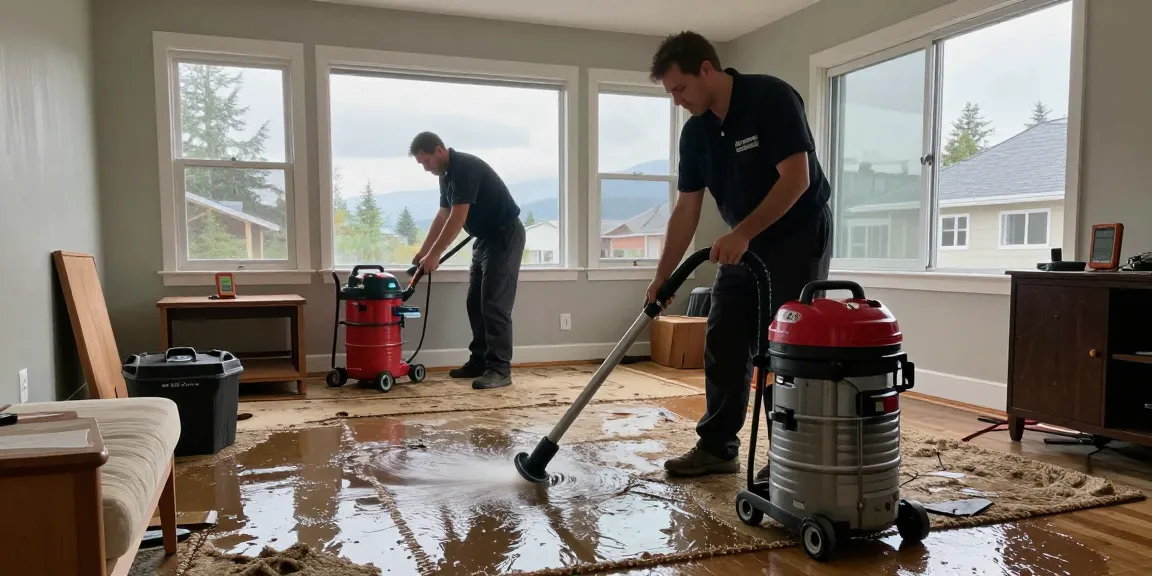
Understanding Water Damage Restoration West Vancouver
Water damage restoration is an essential service that many homeowners in West Vancouver may require due to the region’s unique climate. With heavy rainfall, high humidity, and aging infrastructure, properties can be vulnerable to various water damage incidents. When exploring options, Water Damage Restoration West Vancouver offers comprehensive insights and services to restore your property effectively. This article delves into the nature of water damage, its causes, and the importance of immediate action.
What is Water Damage Restoration?
Water damage restoration refers to the process of returning a property to its pre-loss condition after it has been damaged by water. This may involve various steps including water extraction, drying, cleaning, and repairs. Professionals use specialized equipment and techniques to remove excess moisture, prevent mold growth, and restore damaged materials. The goal is to minimize damage and restore the home’s safety and functionality.
Importance of Immediate Action
Speed is critical when addressing water damage. Delaying action can lead to more extensive damage, increased costs, and higher risks of health issues due to mold growth. In many cases, mold can begin to develop within 24 to 48 hours after water exposure, making quick intervention essential. For homeowners in West Vancouver, understanding the urgency of water damage restoration can save significant time, money, and stress.
How Water Damage Affects Properties
Water damage can have a profound impact on a property. It can weaken structural integrity, damage electrical systems, and lead to harmful mold growth. Additionally, prolonged exposure can affect the aesthetics of a home, leading to discoloration, peeling paint, and compromised materials. Homeowners must be aware of these potential consequences to take preventative measures and seek help promptly when necessary.
Common Causes of Water Damage in West Vancouver
Understanding the common causes of water damage is crucial for homeowners to effectively prevent and address these issues. In West Vancouver, several factors contribute to increased water damage risks.
Severe Weather and Flooding Risks
West Vancouver experiences heavy rainfall, particularly in the fall and winter months. Storms can lead to flooding, affecting basements and lower-level units. Property owners should ensure that their drainage systems are functioning correctly and that gutters are clear to minimize flooding risks.
Aging Plumbing Systems and Appliances
Older homes may have outdated plumbing systems that are more prone to leaks and failures. Additionally, appliances such as washing machines, dishwashers, and water heaters can develop leaks over time. Regular maintenance and timely repairs can help prevent these problems from escalating.
Human Error and Maintenance Negligence
Human error, such as leaving a faucet running or failing to monitor appliances, can lead to unexpected water damage. Furthermore, neglecting regular maintenance checks can result in unnoticed leaks that worsen over time. Educating homeowners about best practices in home maintenance can help minimize these risks significantly.
Signs of Water Damage to Watch For
Recognizing the signs of water damage early can make a significant difference in the restoration process. Homeowners in West Vancouver should be vigilant about detecting these signs.
Visible Water Stains and Discoloration
Water stains and discoloration on walls, ceilings, and floors are often the first indicators of water damage. Homeowners should investigate any noticeable changes and consider professional inspection if stains appear.
Mold Growth and Unpleasant Odors
The presence of mold and musty odors can signify water damage. Mold thrives in damp conditions, and its growth can pose health risks. It is crucial to address any mold issues immediately to ensure a safe living environment.
Structural Issues and Material Damage
When water damage is not promptly addressed, it can lead to structural issues such as warping, buckling, and weakened foundations. Homeowners should be proactive in identifying these problems and seek help from restoration professionals.
Choosing the Right Water Damage Restoration Services
With numerous restoration services available, selecting the right company can be overwhelming. Homeowners should consider several factors when making their choice.
What to Look for in a Restoration Company
When selecting a water damage restoration company, look for a provider that offers 24/7 emergency services, has positive customer reviews, and uses advanced equipment. A reliable company should also be transparent about its processes and pricing.
The Role of Certifications and Insurance Support
Certifications, such as those from the Institute of Inspection, Cleaning and Restoration Certification (IICRC), indicate expertise in the field. Additionally, a reputable restoration company should assist with insurance claims, helping to streamline the process for clients.
Comparing Prices and Service Options
Cost is a significant consideration in choosing restoration services. Homeowners should obtain multiple estimates and evaluate the services being offered. Cheaper options may compromise quality, while the most expensive service may not always be the best. Striking the right balance is key.
Steps to Take After Water Damage Occurs
Knowing the right steps to take after a water damage incident can help mitigate further damage and facilitate restoration. Here are essential actions to consider.
Immediate Actions to Prevent Further Damage
Upon discovering water damage, the first step is to stop the source of the water if possible. This may involve turning off the main water supply or calling emergency services. Next, remove any valuables or furniture from affected areas to limit damage.
How to Document for Insurance Claims
Documenting the damage is crucial for insurance claims. Homeowners should take photographs of affected areas, record any damaged items, and retain receipts for repairs and mitigation services. This documentation will support claims and facilitate the restoration process.
Preparing Your Home for Restoration
Before restoration professionals arrive, ensure the area is clear of obstacles. Remove personal belongings, and if safe, turn off electricity in the damaged area to prevent accidents. This preparation will allow for quicker and more efficient restoration efforts.
What Should You Do After Water Damage?
After initiating immediate action and documentation, contact a professional restoration service. They will provide expert assessment and tailored restoration plans to address the specific needs of your property.
How Quickly Should Water Damage Be Addressed?
Water damage should be addressed as quickly as possible—ideally within 24 hours. The longer water sits, the more damage it can cause, leading to potential mold growth and structural issues.
What Types of Equipment Are Used in Restoration?
Professional restoration companies utilize a variety of equipment, including water extraction pumps, industrial dehumidifiers, air movers, and moisture detection devices. This specialized equipment ensures thorough drying and restoration of affected areas.
Can Water-Damaged Materials Be Restored?
Some water-damaged materials can be restored, while others may need to be replaced. For instance, drywall and carpet may require replacement if severely damaged, but hardwood floors may be salvageable if dried promptly. A professional assessment will determine the best course of action.
Does VR PLUS Assist with Insurance Claims?
Yes, VR PLUS provides comprehensive support for water damage insurance claims. Their team assists homeowners in navigating the claims process, helping to ensure all documentation is properly submitted for quick approval.